 685 738 325
Nutrition
Dog nutrition: dry food, wet food or raw diet? What the science says
1 June 2026 · Updated on 24 August 2026

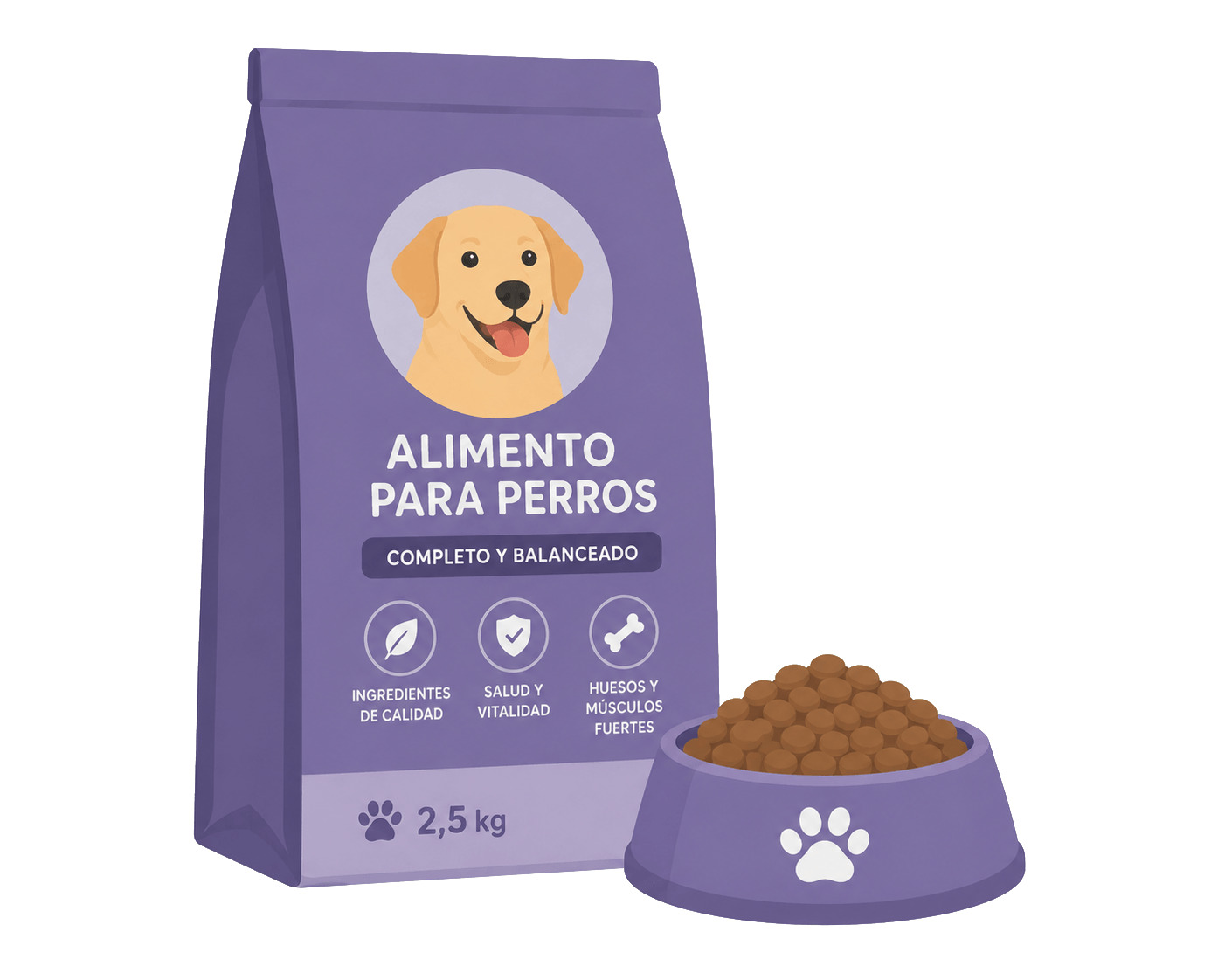
It’s one of the most common questions we get in the clinic, and also one of the most confusing: what’s best for my dog — regular dry food, wet food or a natural diet?
The honest answer is that there is no single answer. But there are clear criteria to make the right decision for your specific dog.
The three main options
Dry food (kibble)
It’s the most widely used option, and for good reason: quality dry foods are formulated by vets and nutritionists to meet all of a dog’s nutritional needs at every stage of life.
Advantages:
- Convenient and easy to portion
- Long shelf life without refrigeration
- Specific formulations for age, breed and health conditions
- Supports dental health through friction
- Generally lower cost than other options
Disadvantages:
- Low water content (only 8–10%), which can affect hydration in dogs that drink little
- Quality varies enormously between brands — not all kibble is the same
- Some contain cereals, preservatives or low-quality by-products
Wet food (cans, trays, pouches)
Wet food contains 70–80% water, making it a great ally for hydration, especially for dogs that drink little or those prone to kidney or urinary tract problems.
Advantages:
- Highly palatable — ideal for fussy eaters or dogs with dental problems
- Higher water content improves hydration
- Generally higher proportion of animal protein than average kibble
- Good option as a complement or topping on dry food
Disadvantages:
- More expensive per kilogram of food
- Once opened, must be consumed within 24–48 hours
- Does not support dental hygiene
- Can cause softer stools in some dogs
Natural diet (BARF and home-cooked)
The BARF diet (Biologically Appropriate Raw Food) is based on raw foods: meat, raw meaty bones, offal, fish, and a small proportion of vegetables and fruit. The home-cooked diet follows the same principle but with cooked ingredients.
Advantages:
- Recognisable ingredients, no artificial additives or preservatives
- High palatability
- Higher water content than dry food
- Can improve digestion and coat condition in some dogs
- Fully customisable to each animal’s needs
Disadvantages — and we need to be honest here:
- Requires time, planning and nutritional knowledge
- The risk of nutritional imbalances is real if not properly formulated
- Raw meat can contain bacteria (Salmonella, Listeria) and parasites
- High cost, especially with quality produce
- Prepared at home without guidance, it can cause serious deficiencies
Which option is best for your dog?
It depends on several factors:
Age: puppies have very specific nutritional needs for bone and muscle growth. Seniors need less protein of lower quality and more control of phosphorus and sodium.
Health status: a dog with chronic kidney disease needs a low-phosphorus diet. One with digestive problems may benefit from hydrolysed proteins. A dog with food allergies may need a novel protein source. In all these cases, nutrition is part of the treatment and must be supervised.
Owner’s lifestyle: a well-formulated BARF diet can be excellent, but it requires commitment. If you don’t have the time or resources to do it properly, a good premium kibble is a better option than a poorly executed BARF diet.
The dog’s preference: yes, it matters. A fussy dog that eats well on wet food is better nourished than one that eats poorly on kibble.
What we see in the clinic
At Rovira Veterinary Clinic, in Gràcia (Barcelona), we don’t have a dogmatic stance on nutrition. What we do see is that:
- The most common diet-related problems are obesity (low-quality food + overfeeding) and nutritional imbalances in poorly formulated home diets.
- A good quality premium kibble perfectly covers the needs of most healthy dogs.
- A mixed diet (kibble + wet food) is a practical and balanced solution that is increasingly popular.
- Commercial BARF from a brand with nutritional analyses is a valid alternative for those who want natural feeding with lower risk.
In summary
| Option | Cost | Convenience | Hydration | Nutritional risk |
|---|---|---|---|---|
| Premium kibble | Medium | High | Low | Low |
| Wet food | High | Medium | High | Low |
| Commercial BARF | High | Medium | High | Low–medium |
| Home BARF | Medium–high | Low | High | High without supervision |
Frequently asked questions
What is best for a dog: dry food, wet food or a natural diet?
There is no single answer that fits every dog. A good-quality premium kibble fully covers the needs of most healthy dogs; wet food adds hydration and palatability; and a natural diet can be excellent when properly formulated. The decision depends on the dog’s age, health status, the owner’s lifestyle and the animal’s own preferences.
How can I tell from the label whether a kibble is good quality?
The first ingredient should be a named animal protein source — chicken, salmon, lamb — not by-products or cereals. It is also worth checking the declared percentage: a food labelled “chicken flavour” may contain as little as 4% chicken, while one labelled “rich in chicken” contains at least 14%.
Is a raw (BARF) diet dangerous for my dog?
We do not recommend preparing a home-made BARF diet without supervision from a veterinary nutritionist. Dogs have specific calcium, phosphorus, vitamin and mineral requirements that are hard to balance without training, and raw meat can carry bacteria such as Salmonella or Listeria as well as parasites. Commercial BARF diets with nutritional analysis are a safer alternative.
Can I mix dry and wet food?
Yes, and it is an increasingly common choice. A mixed diet — quality kibble as the base with wet food as a topper at one of the meals — combines the convenience and dental benefit of dry food with the hydration and palatability of wet. The key is adjusting total quantities so the dog is not overfed.
Which diet-related problems do we see most in the consulting room?
The two most frequent are obesity, almost always a combination of low-quality food and over-portioning, and nutritional imbalances in poorly formulated home-made diets. Both are avoidable with a nutritional assessment and a properly calculated ration.
If you have questions about the best diet for your dog based on their age, breed or health status, at Rovira Veterinary Clinic we offer personalised nutrition consultations, focused on natural nutrition — cooked or mixed diets — and weight management. We do not formulate raw BARF diets or therapeutic diets for chronic disease. We are your trusted clinic in the Gràcia neighbourhood for making the best decisions for your pets.
If you’d also like to know how often you should take your dog to the vet at each stage of life, check out our guide on vet check-ups by life stage.
Sources
Do you have any questions about your pet?
Book an appointment