
 685 738 325

What it is
The problem you can't see until it hurts
Periodontal disease affects 80% of dogs and 70% of cats over 3 years old. In most cases it progresses silently — no obvious symptoms, the animal keeps eating normally — until the damage is already well established.
The bacteria that accumulate below the gum line do not only destroy alveolar bone. Over time they enter the bloodstream and can affect the heart, kidneys and liver. Oral health is not a cosmetic issue — it is preventive medicine.
At Rovira Veterinary Clinic, in Gràcia, Barcelona, we treat dental disease with dental cleaning and tooth extractions under anaesthesia.
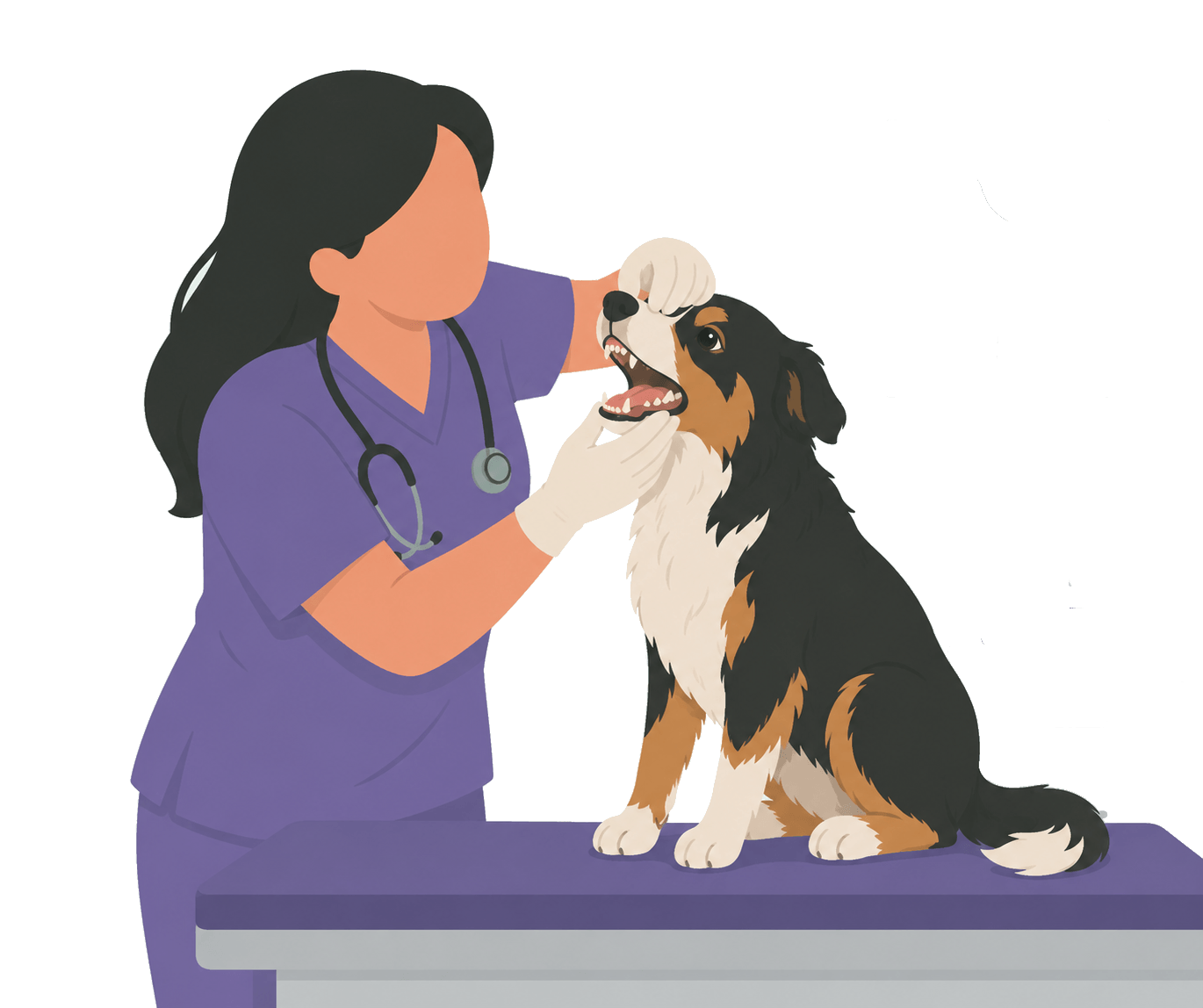
Do you recognise any of these signs in your pet?
If the answer is yes, there is likely dental disease worth assessing.
Disease progression
The four stages of periodontal disease
Healthy teeth
Pink, firm gums, no visible tartar, no inflammation. The goal of prevention.
Gingivitis
Gum inflammation without bone loss yet. Reversible with a thorough professional clean.
Moderate periodontitis
Early alveolar bone loss. Requires active periodontal treatment.
Advanced periodontitis
Severe bone loss. Some teeth may need extraction to eliminate the source of infection.
What we do
Our dental treatment
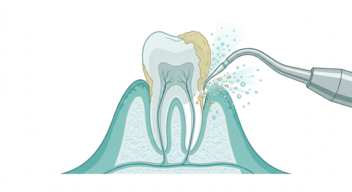
Dental hygiene
Dental cleaning
Ultrasonic removal of tartar followed by polishing of the tooth surface. It is done under anaesthesia, the only way to also clean below the gum line, which is where the problem is.
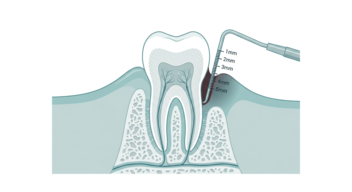
Dental surgery
Tooth extractions
Removal of teeth that can no longer be saved because of mobility, fracture or advanced bone loss. It is the way to eliminate the source of infection and the pain it causes.
Frequently asked questions
What people ask us most about dentistry
Why does dental cleaning have to be done under anaesthesia?
Because it is the only way to do it properly. Without anaesthesia it is impossible to clean below the gum line, which is where the problem is, or to treat the affected areas correctly. "Anaesthesia-free" cleanings only remove visible tartar and do not address the real disease.
How often should my pet have a dental clean?
It depends on the animal. Some small breeds (Yorkshire, Chihuahua, Bichon) are very prone to tartar and may need annual cleans from age 2–3. In other cases every 2–3 years may be sufficient. Home maintenance (brushing or dental chews) makes a significant difference.
Is anaesthesia dangerous for my pet?
Anaesthetic risk exists but is very low when proper protocols are followed. We carry out pre-operative blood tests in every case and monitor the patient continuously throughout the procedure. In healthy animals the risk is minimal and always lower than the risk of leaving dental disease untreated.
What can I do at home to keep my pet's mouth healthy?
Daily brushing with veterinary toothpaste is the most effective option. If the animal won't tolerate it, dental chews, water additives or dental toys are reasonable alternatives. Nothing replaces a professional clean once tartar has built up, but home maintenance significantly extends the time between cleans.
When was your pet's last dental check?
Book an appointment